The Idea Group

WORKING CASE FILE

Zombie Supply Run

What becomes visible when a team must decide under pressure?

An immersive team challenge built to make communication, assumptions, trade-offs, and decision behaviour visible while the pressure is real enough to matter.

Project case study field notebook and working papers
Case file 03 · facilitated team experience

01 / THE SIGNAL

Knowing the theory was not the problem.

People can describe good communication and decision-making without noticing what they actually do under pressure. This live team challenge creates a situation that can be observed and discussed.

  • Abstract discussion can hide the gap between stated and actual team behaviour.
  • Training can feel understood without changing what happens in the room.
  • A useful exercise needed to reveal assumptions and trade-offs without pretending the simulation is the workplace.
02 / THE RESPONSE

Build the pressure. Then study the behaviour.

  1. 01

    Create pressure

    Give the team limited time, incomplete information, and consequential choices.

  2. 02

    Watch the work

    Observe how information, disagreement, and ownership move through the group.

  3. 03

    Name the pattern

    Use the debrief to identify behaviour that helped or obstructed the team.

  4. 04

    Return to work

    Connect one observed pattern to a real situation the team recognises.

02B / INSIDE THE EXPERIENCE

The apocalypse is the container.
The team is the subject.

FACILITATED SIMULATION · LIVE DECISIONS

Teams must reach safety with limited carrying capacity. The supplies look practical, the survivors create human stakes, and route events make yesterday’s sensible choice incomplete.

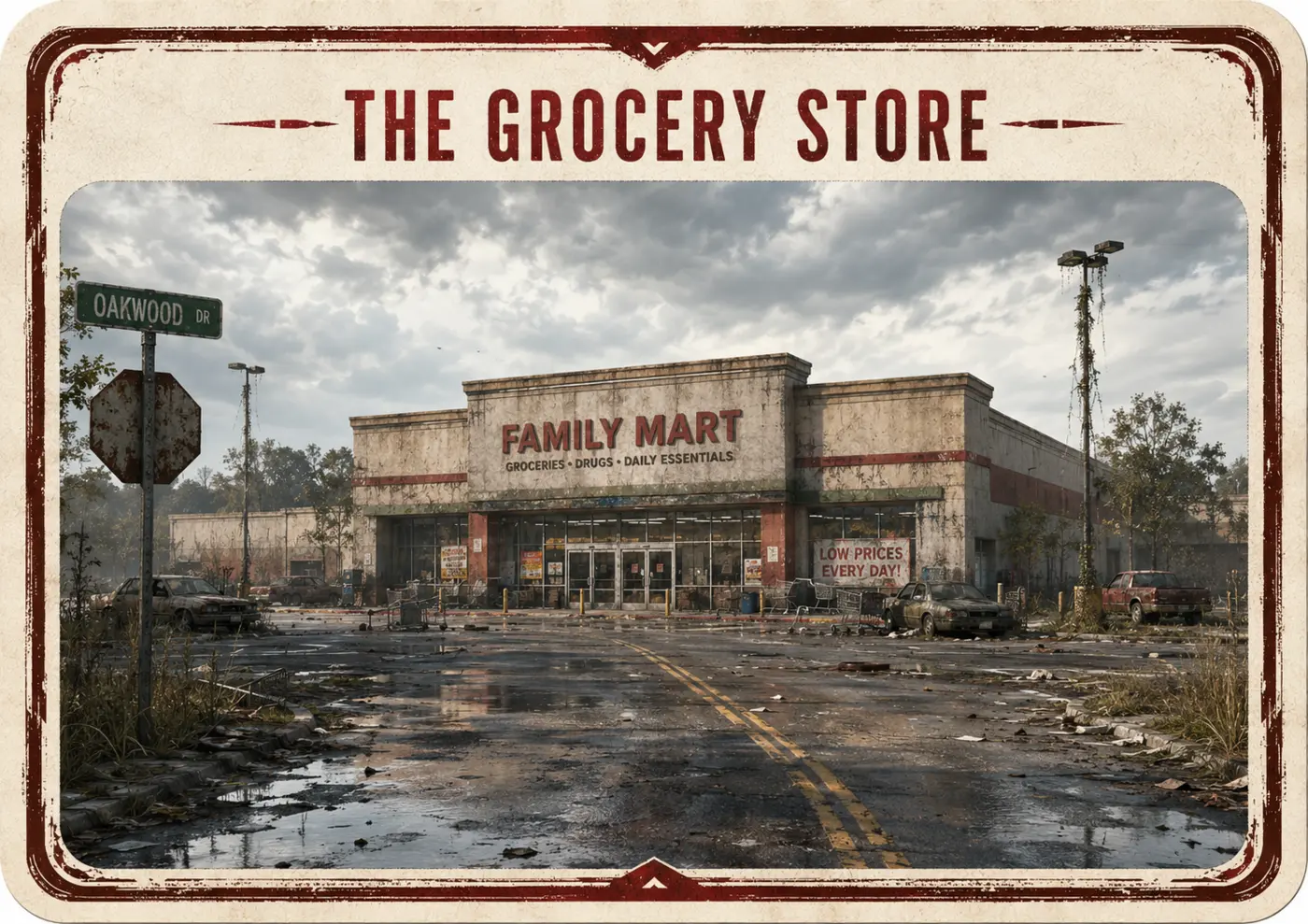
The abandoned grocery store scene used as the supply search location
01 / SEARCH ZONEThe Grocery Store

More useful items than the team can carry. Every selection has an opportunity cost.

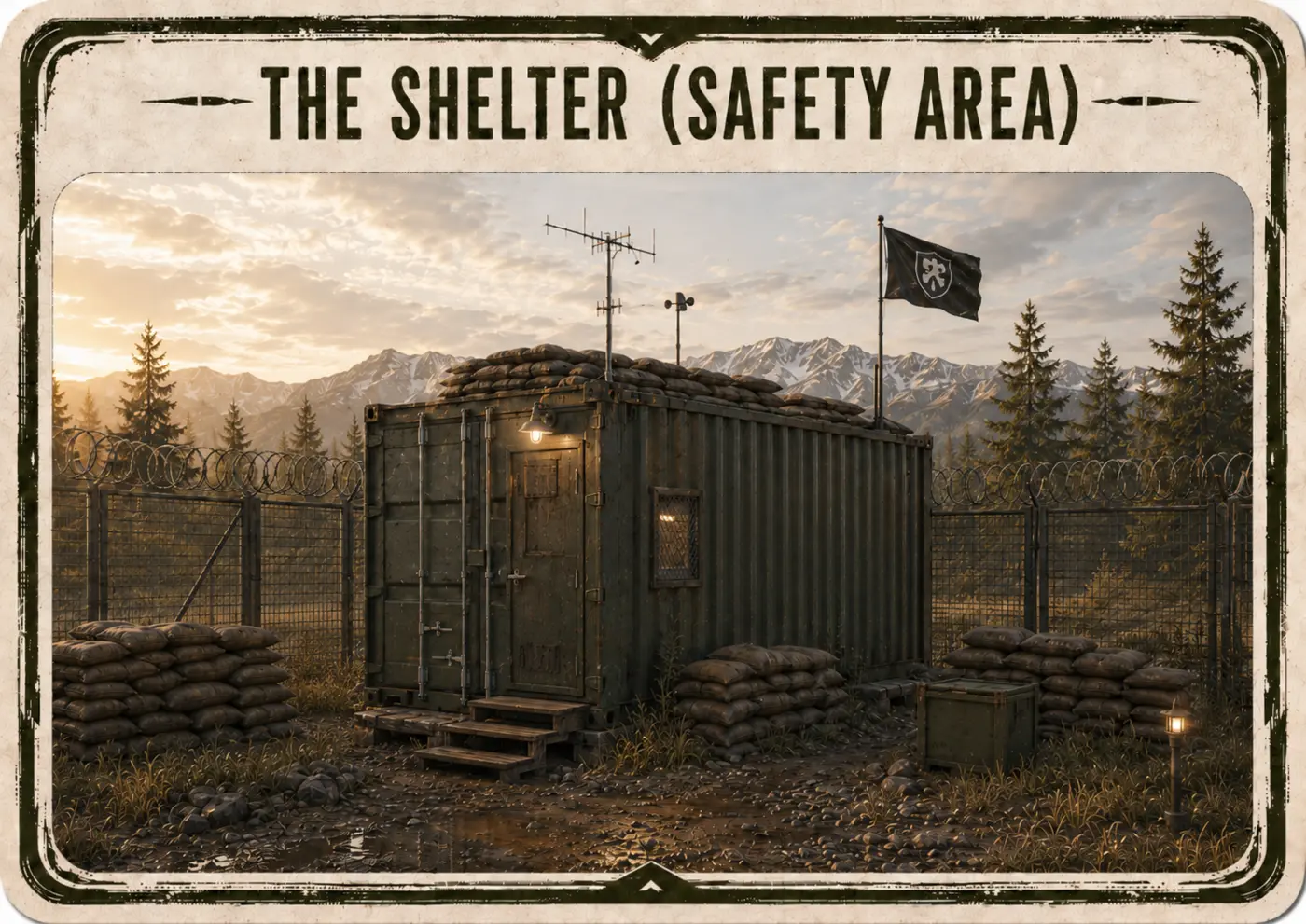
The fortified shelter scene used as the team's safety destination
02 / SAFETY AREAThe Shelter

The destination is fixed. The route, the people, and what survives the journey are not.

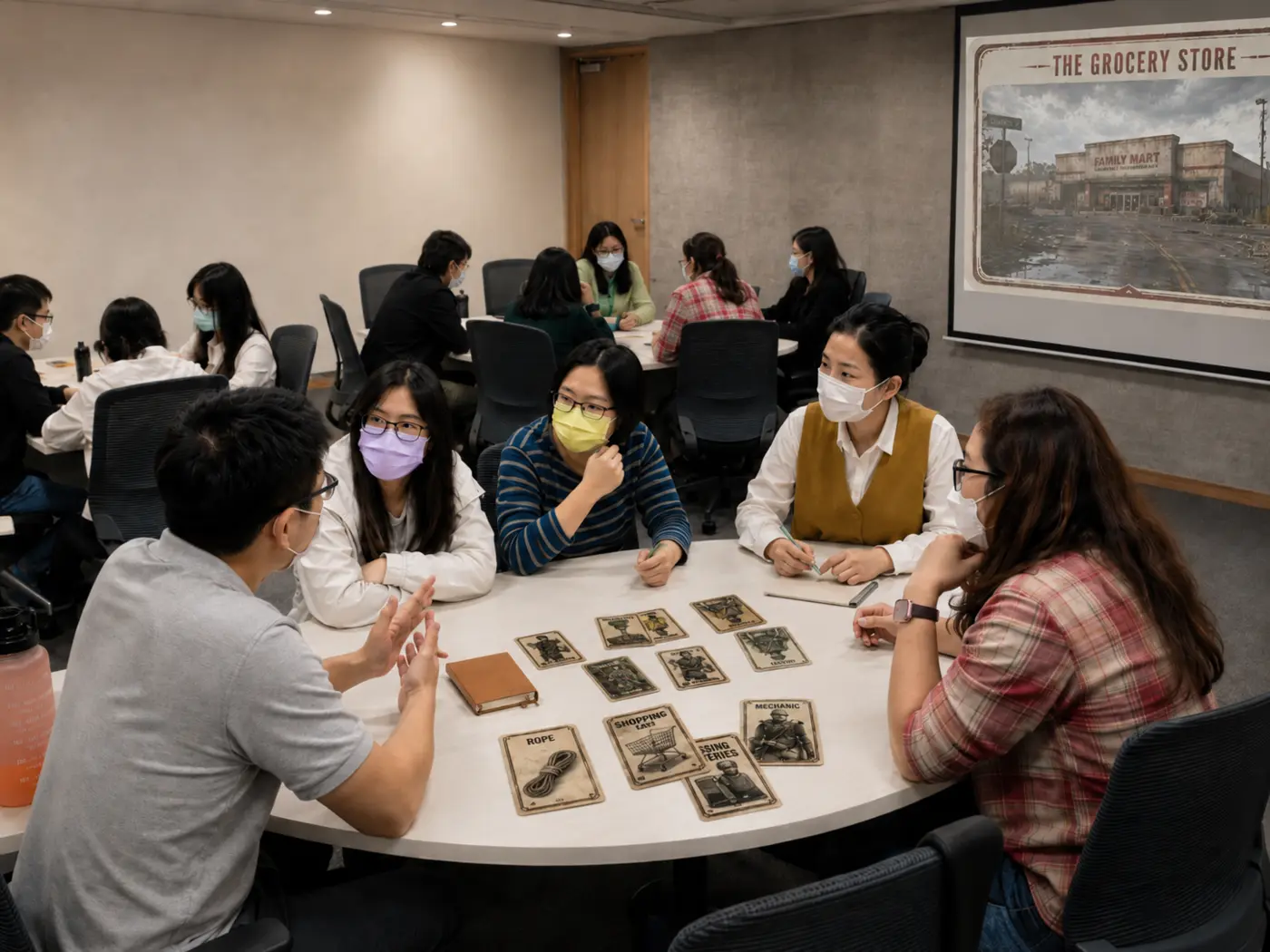
Several teams discussing supply cards during a Zombie Supply Run session
Working session · teams compare needs, routes, and available supplies

THE DECISION SURFACE

No perfect answer. Plenty to observe.

The cards give people something concrete to disagree about. The facilitator can watch whether the group shares information, tests assumptions, invites challenge, assigns ownership, or simply follows the most confident voice.

  • Who frames the decision?
  • Which information gets ignored?
  • How does the team handle dissent?
  • What changes when the plan stops working?
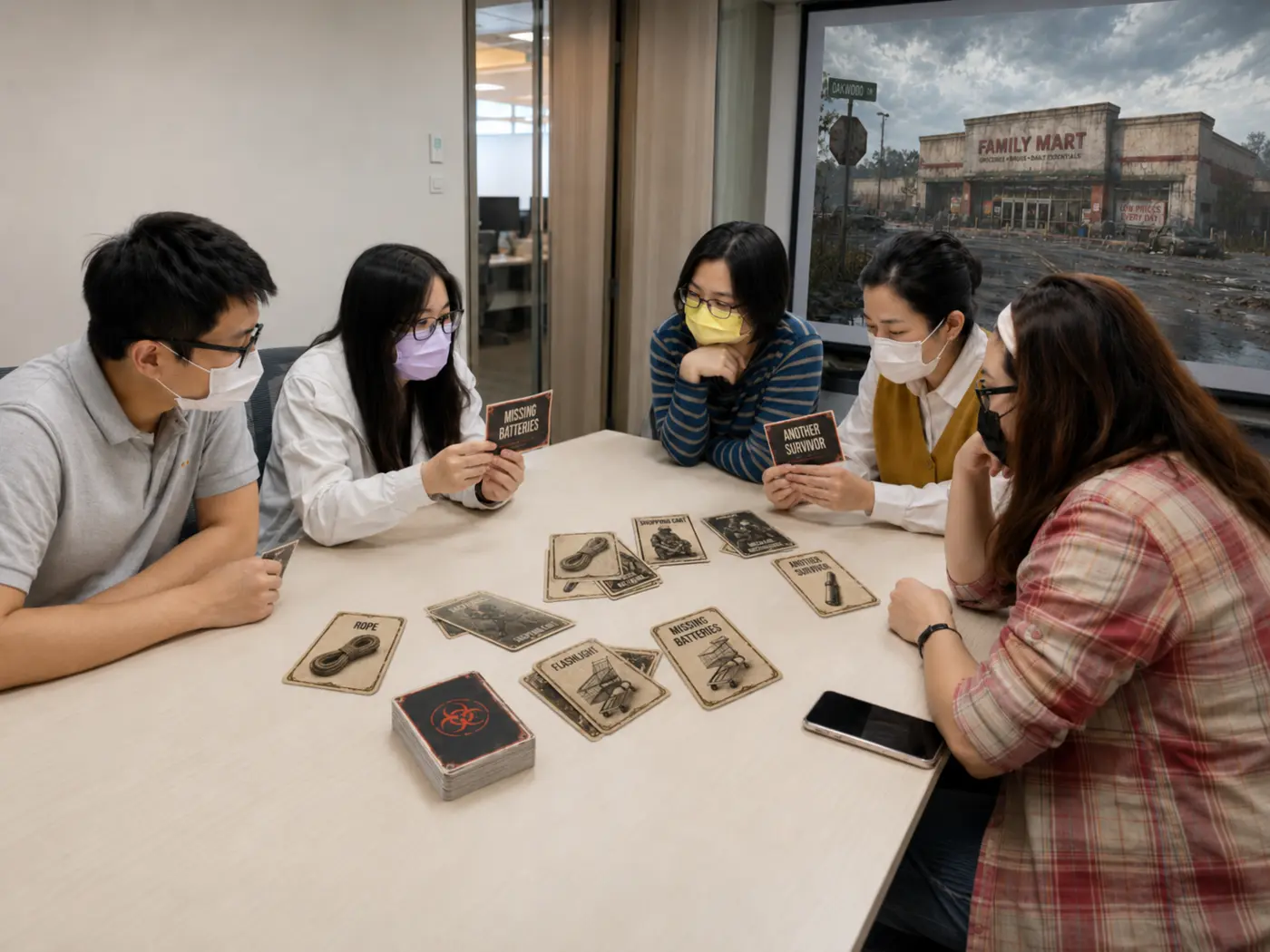
A team comparing disruption cards and supply choices during the simulation
New information arrives · the original plan must be reconsidered
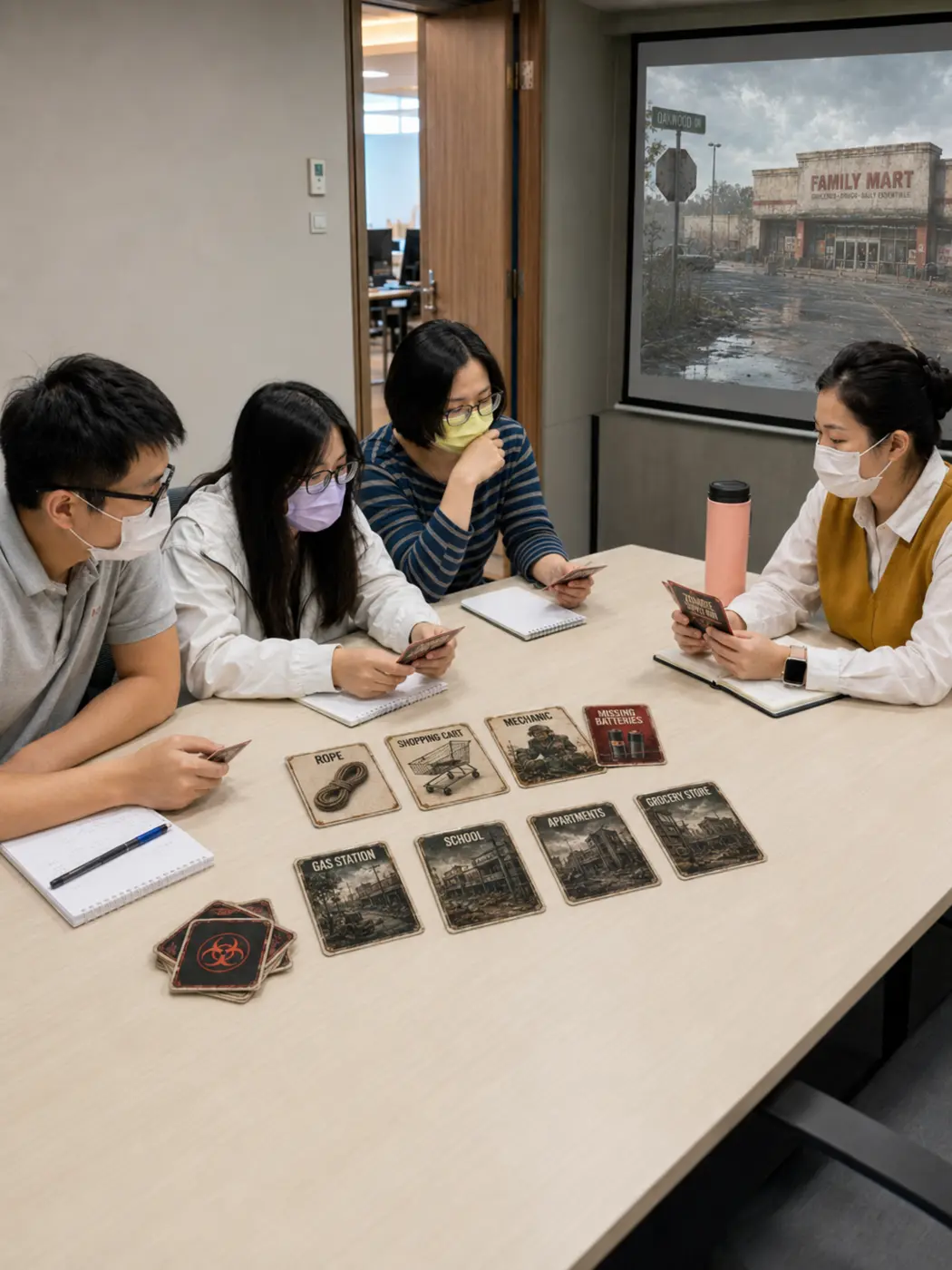
Participants reviewing route, survivor, and supply cards around a table
Visible trade-offs · the decision stays on the table

THE CONSEQUENT REVEAL

Then the conditions change.

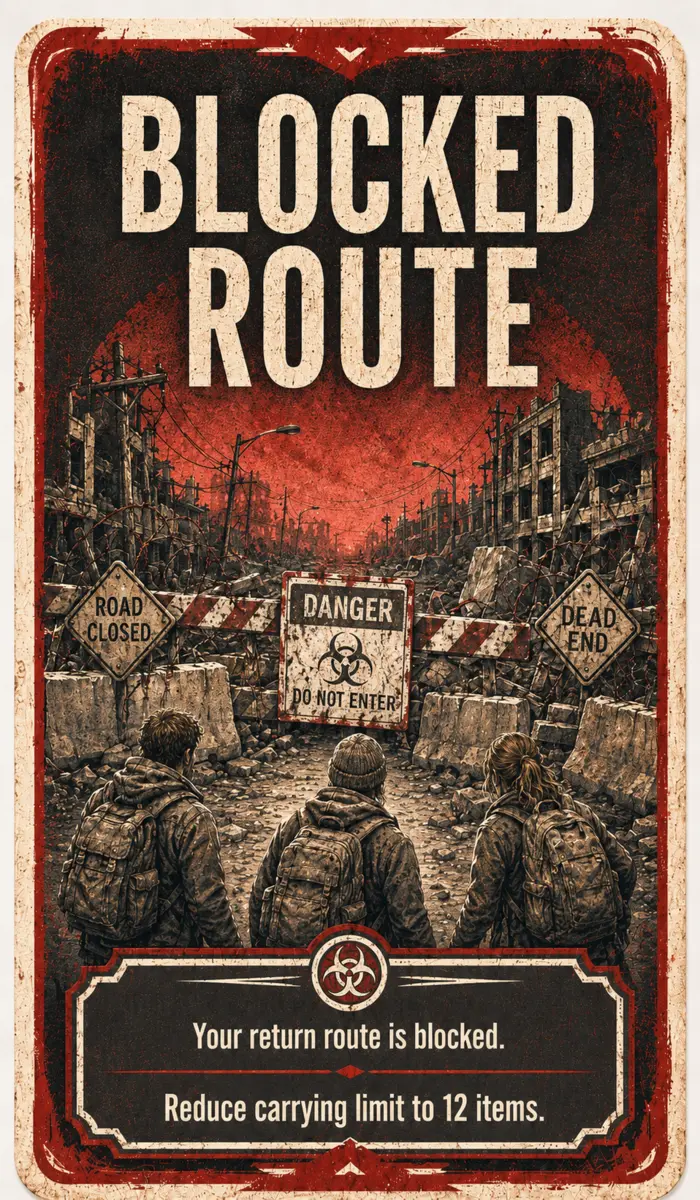
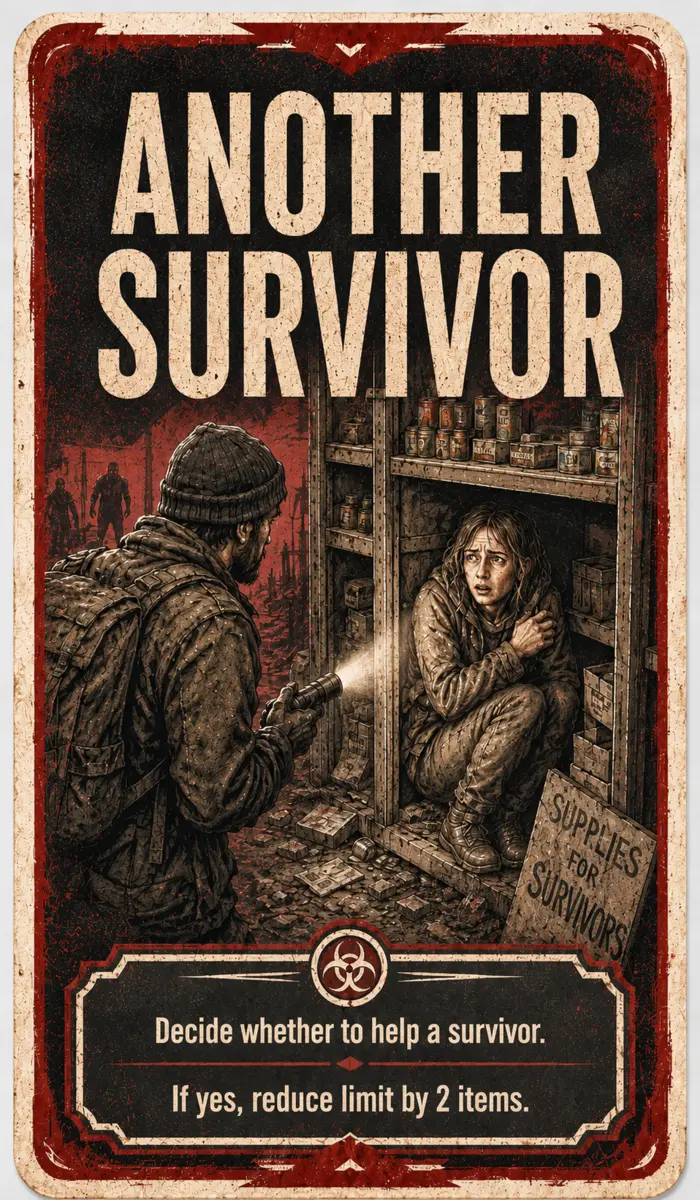
A blocked route cuts carrying capacity. Another survivor needs help. The team must revisit priorities while explaining what it will protect, sacrifice, or change.

The reveal does not test zombie knowledge. It tests whether the team can update a decision without defending the old one.

Blocked Route card reducing the team's carrying limit to twelve items
Another Survivor card asking the team whether to help at the cost of two carried items

THE HUMAN STAKES

People make the trade-off harder.

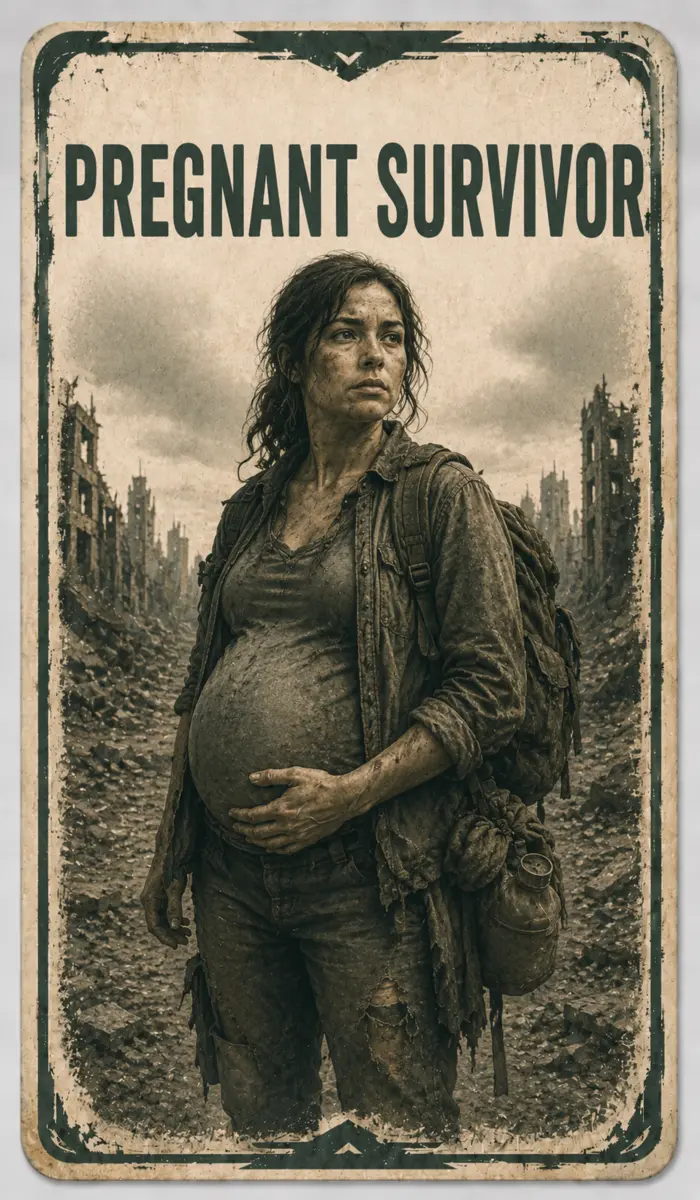
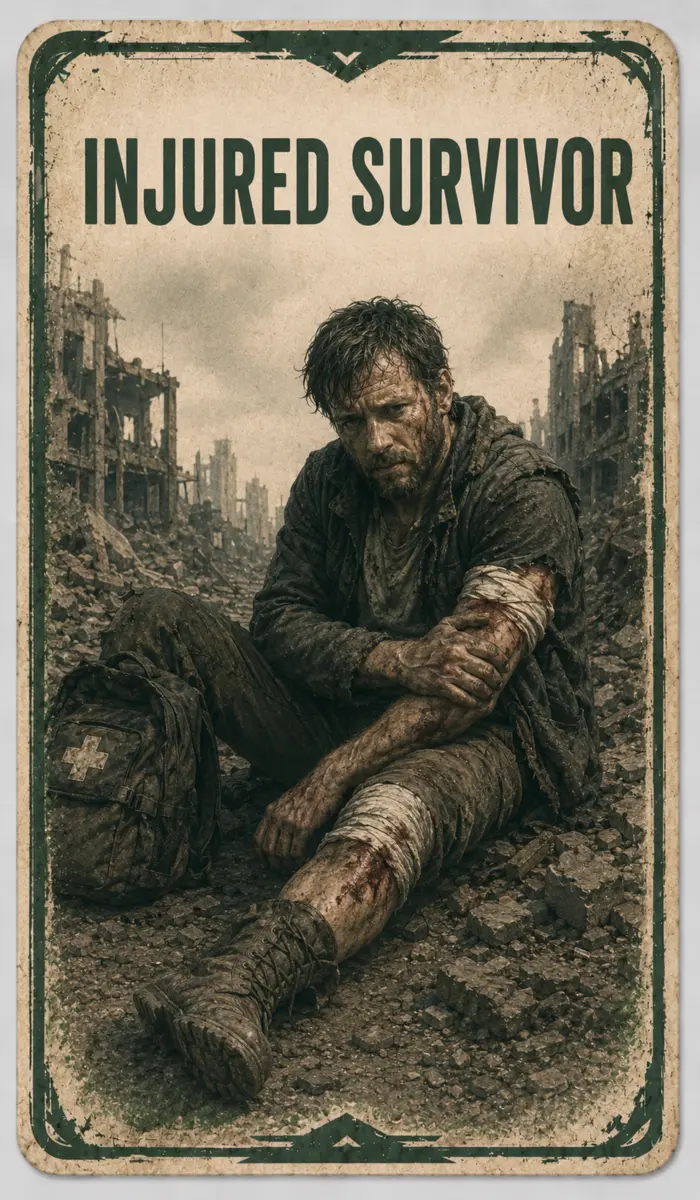
Survivor profiles prevent the task from becoming a simple ranking exercise. Needs conflict. Capacity is finite. The team must make its criteria visible.

Pregnant Survivor profile card
Injured Survivor profile card

THE SUPPLY DECK

Every useful item competes for the same limited space.

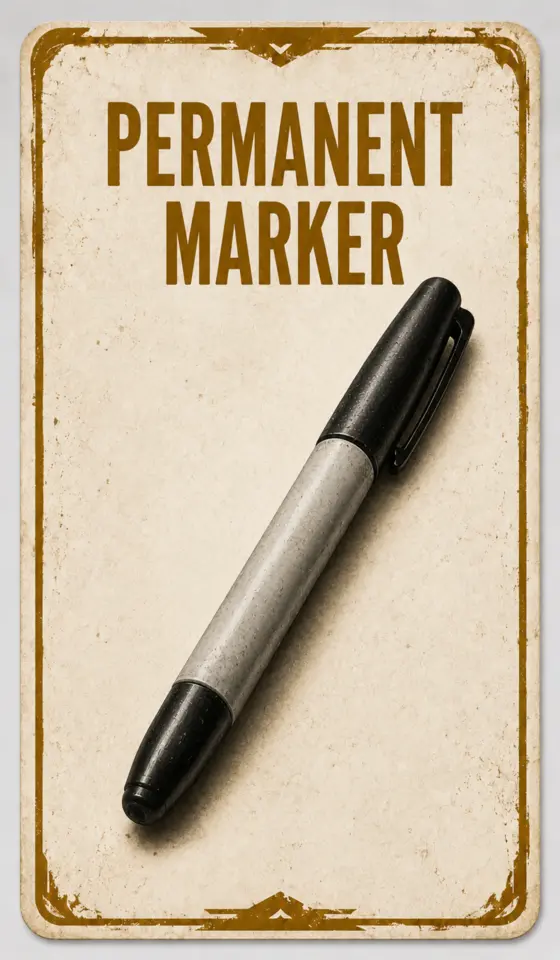
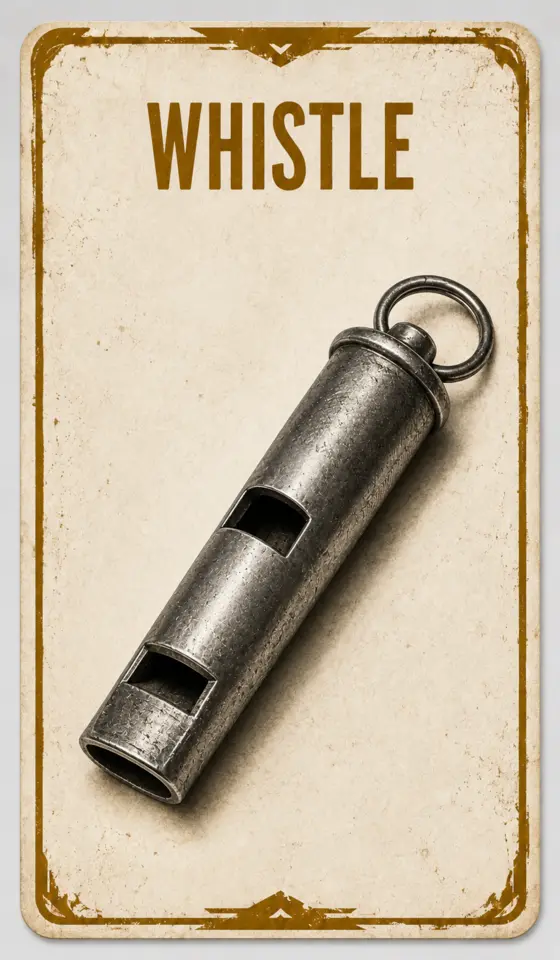
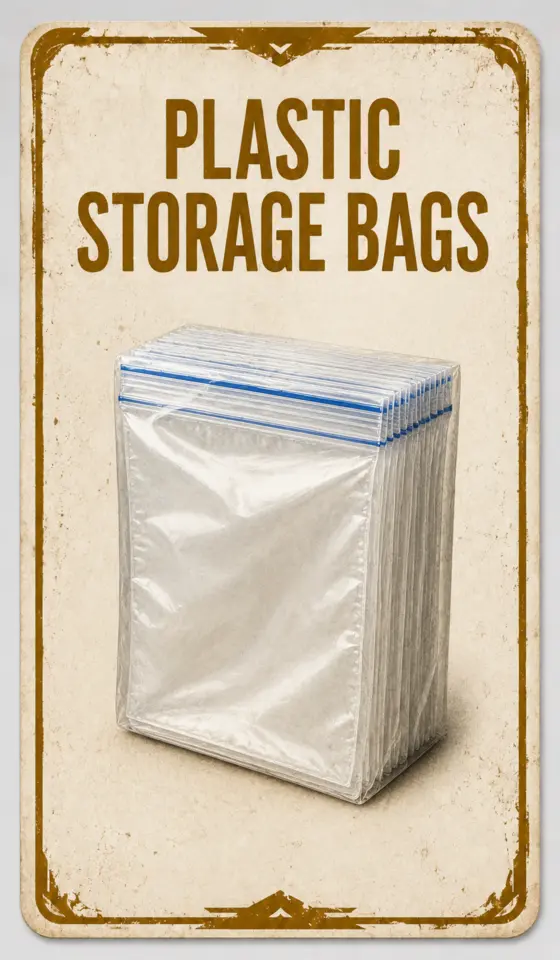
No card announces the right answer. Teams have to connect an item to a need, a risk, and the rest of the plan.

Permanent Marker supply card
Whistle supply card
Emergency Blanket supply card
Plastic Storage Bags supply card
Cooking Oil supply card
Bleach supply card

02C / TRANSFER BACK TO WORK

Leave the zombies behind.
Keep the pattern.

The activity earns its place only when an observed behaviour is connected to a real team situation and one different action.

  1. 01
    Replay

    What happened when the team first had to choose?

  2. 02
    Name

    Which behaviour helped or obstructed the decision?

  3. 03
    Connect

    Where does the same pattern appear in normal work?

  4. 04
    Apply

    What will the team do differently in the next seven days?

SEVEN-DAY TRANSFER

Choose one live decision. Use one behaviour on purpose.

For example: state the decision criteria before debating options, invite the quietest relevant voice before closing, or name what new information would cause the team to change course.

03 / THE EVIDENCE LEDGER

What can be said today?

The language stays proportional to the evidence.

SUPPORTED

What is known

  • A live team challenge has been designed and facilitated.
  • The format makes communication, assumptions, and trade-offs observable.
  • The debrief can connect behaviour in the activity to situations at work.
HELD BACK

What is not claimed

  • Lasting behaviour change after one session.
  • Direct simulation of every workplace condition.
  • Measured team-performance improvement.
NEEDED NEXT

Evidence to look for

  • Which observed patterns participants recognise in their daily work.
  • Whether teams can name and practise one different behaviour afterwards.
  • What managers observe in the weeks following the experience.

04 / OPEN QUESTIONS

The case is still moving.

These questions determine the follow-up needed and what a stronger claim would require.

  1. 01

    Which behaviours are visible enough to discuss without over-interpreting them?

  2. 02

    What follow-up would help one useful behaviour survive after the session?

  3. 03

    How should evidence be collected without turning learning into surveillance?

NEXT CASE FILE

Project Updates

Can a shorter update create better decisions?

Open case 01